Farming, Malting
and Transport
Our approach
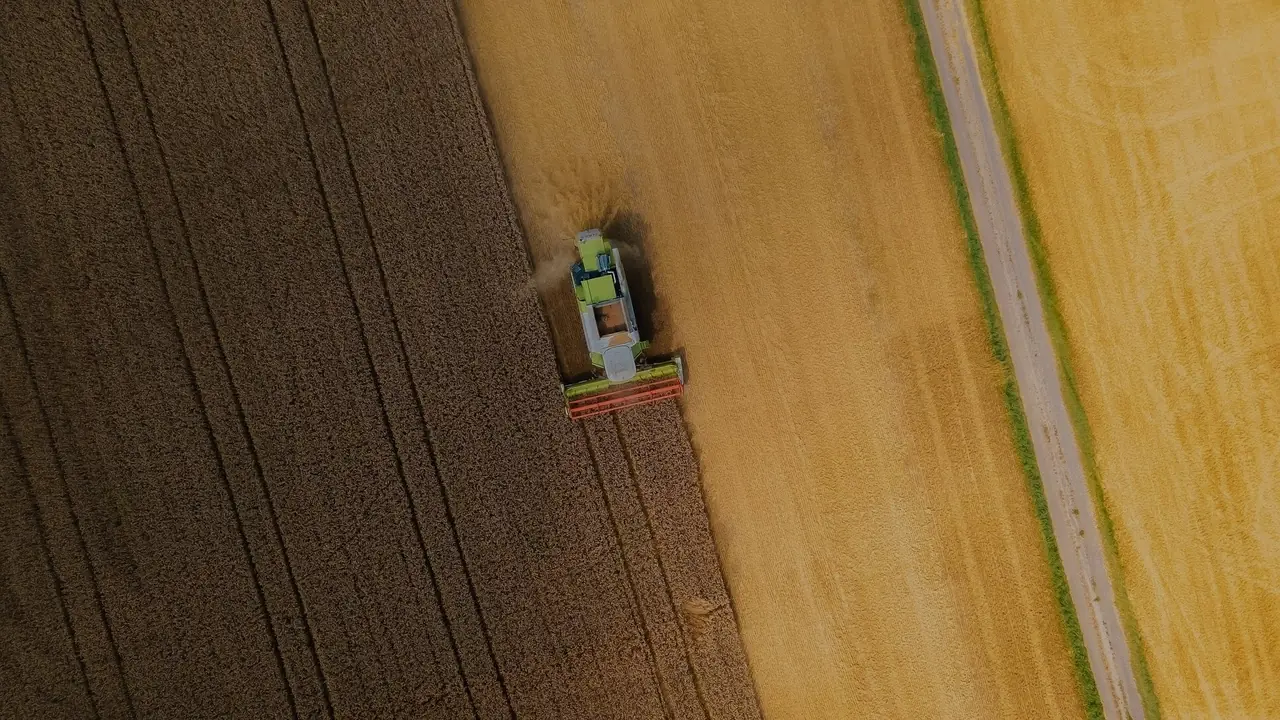
Most of the footprint of a bag of malt comes from three stages: growing the barley, the energy used to malt it, and transport. We work on all three, with our growers, our production partners and our transport providers.
Barley farming
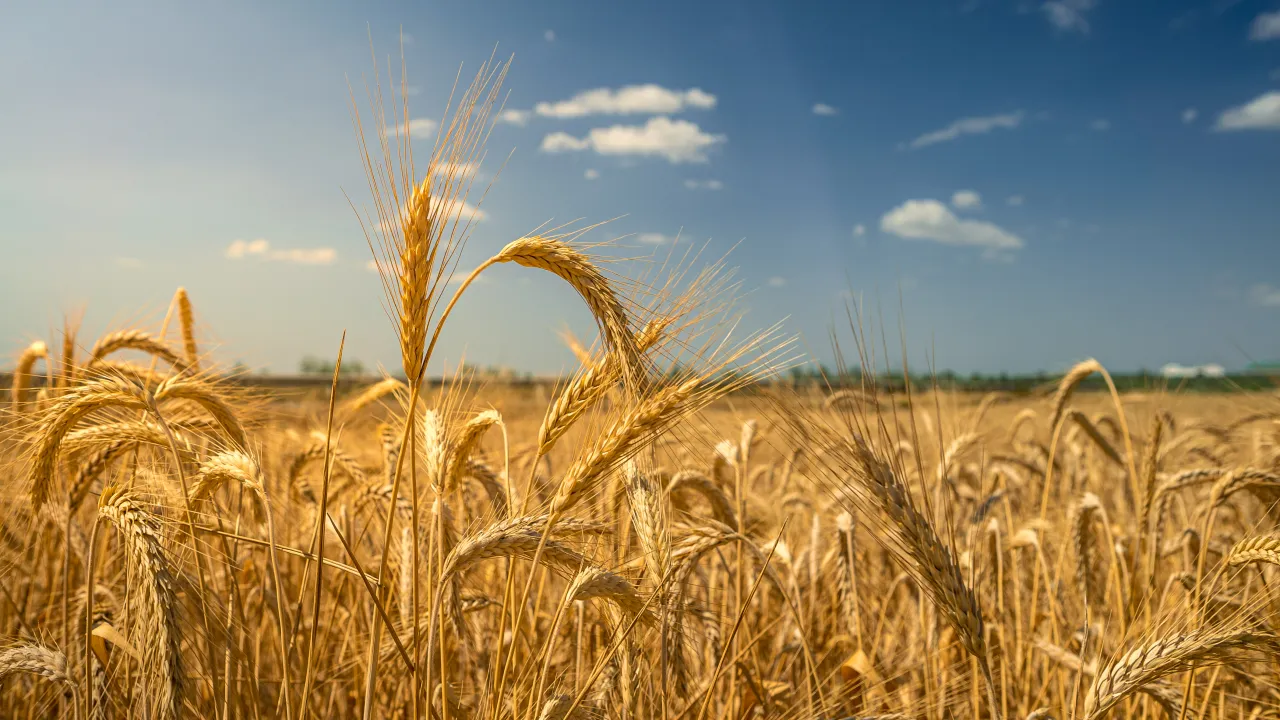
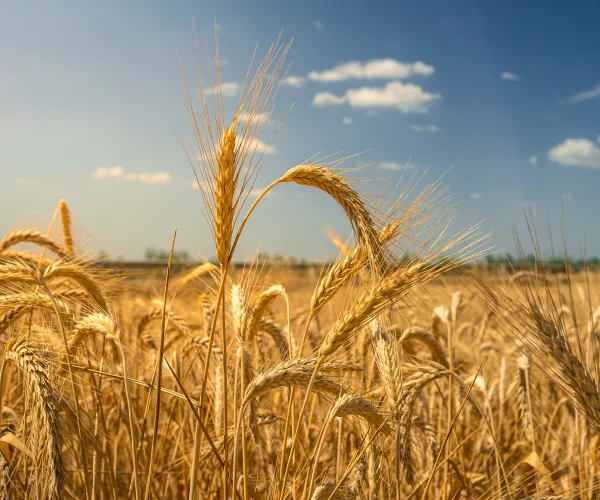
Good malt starts with healthy barley, and healthy barley depends on healthy soil. We work with the growers in our supply network and give them practical incentives and financial support to adopt more sustainable farming practices.
Our barley comes from carefully selected varieties, chosen for their brewing performance as much as their yield.
In practice
- Crop rotation to protect soil structure and break pest and disease cycles
- Responsible water use in the field
- Practices that maintain soil health from one season to the next
Malting
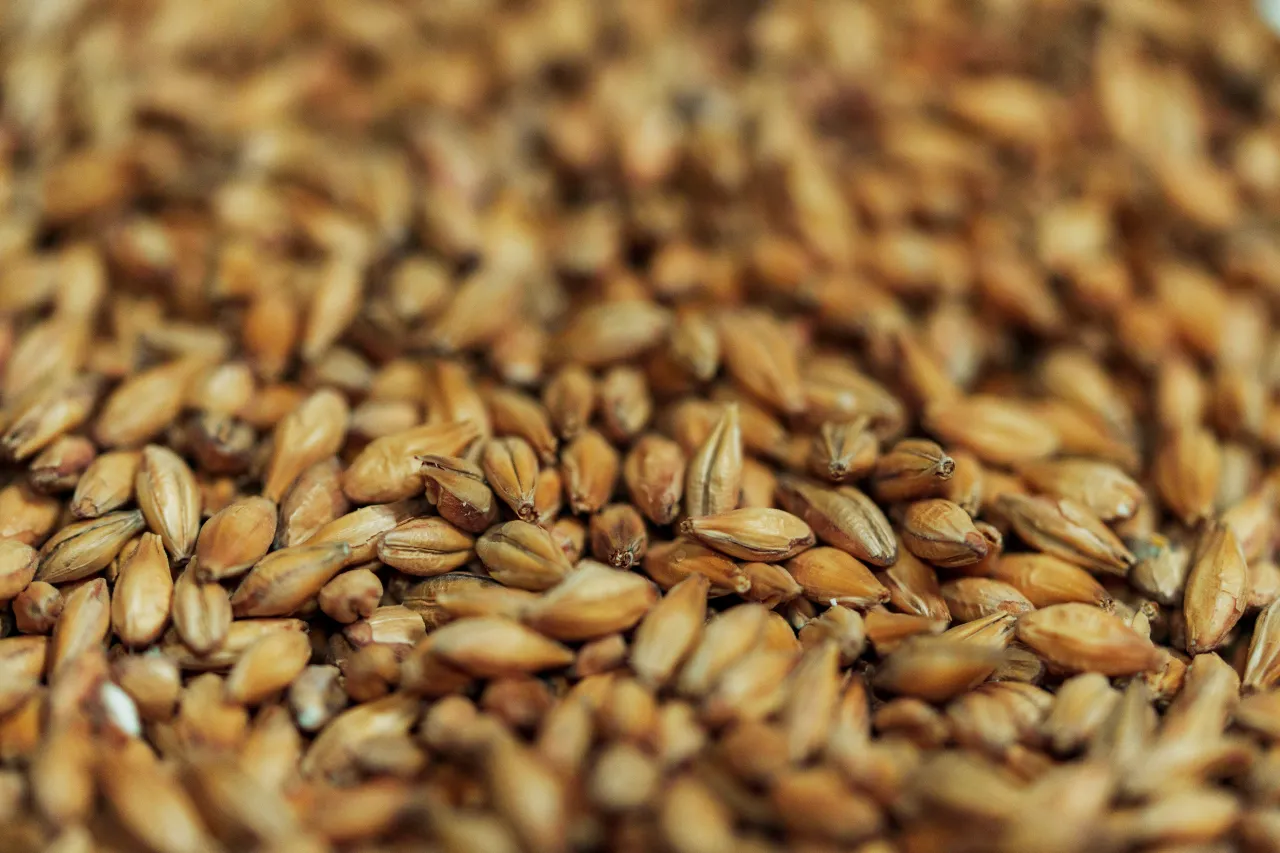
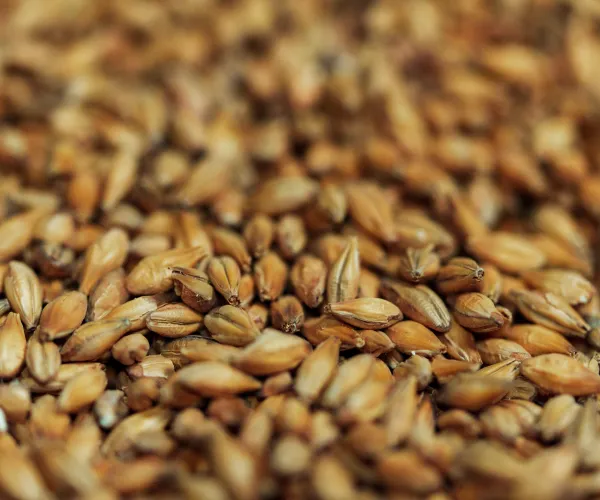
Steeping, germination and especially kilning make malting an energy-intensive process, so the source of that energy matters. The main facility where our Ukrainian malt is produced is close to a nuclear power plant and runs mainly on nuclear-generated electricity, a stable, low-carbon base. It is moving towards renewable sources such as solar and hydroelectric power.
Energy use is reviewed at each stage of the process to reduce waste.
In practice
- Low-carbon electricity for the malting process
- Continuous optimisation of energy use in steeping, germination and kilning
- By-products such as rootlets and barley screenings sold on as animal feed
Logistics
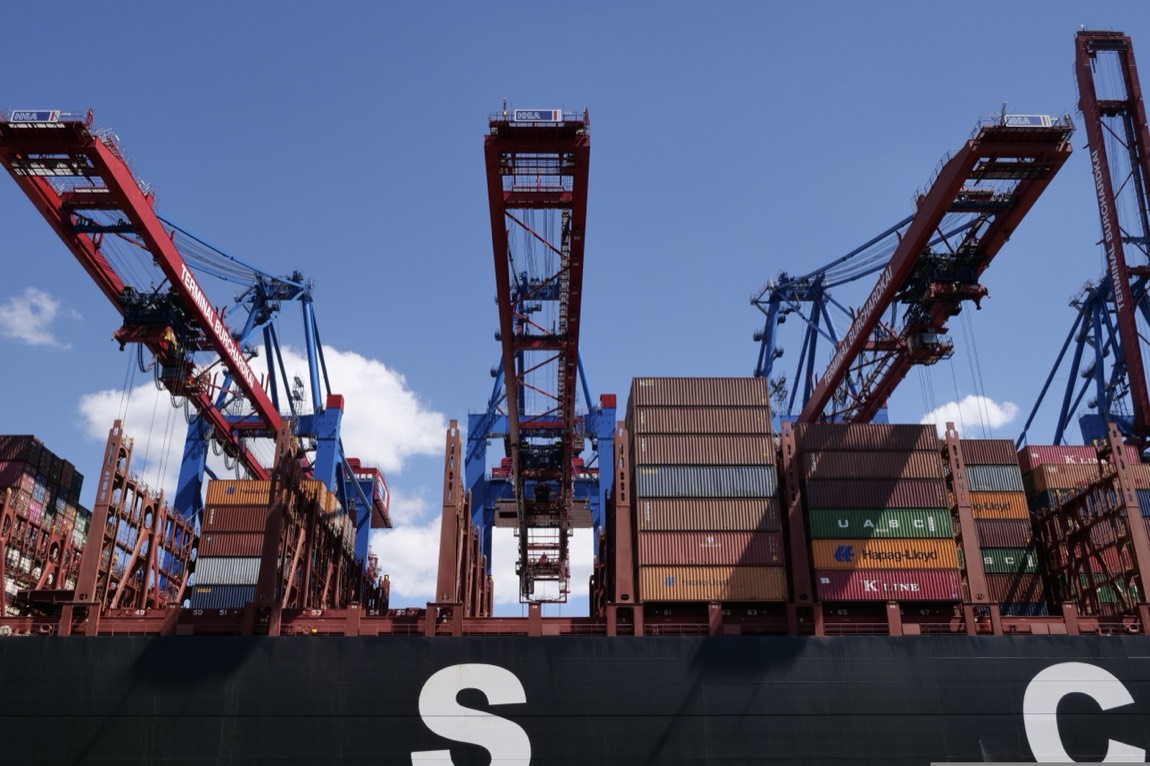
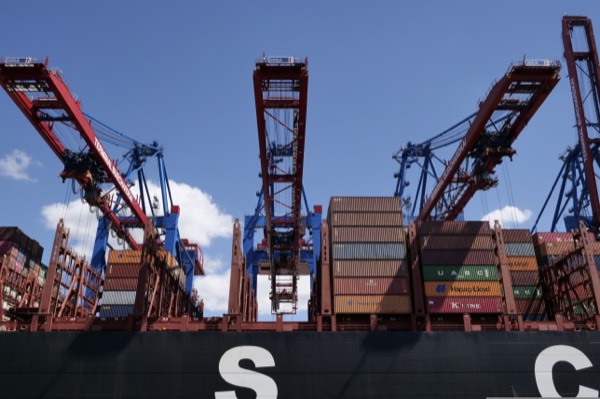
Malt travels in bulk from where it is produced to our distribution points across Europe, in containers wherever possible. Fewer, fuller loads mean fewer journeys for every tonne delivered.
For the inland leg of an export, from the malting facility to the port of loading, we send malt by rail rather than by road wherever a rail connection is available.
In practice
- Bulk and containerised transport on the long-distance leg
- Consolidated shipments and planned routes to cut empty and part-loaded journeys
Formats, routes and documents are covered on our Logistics page.